Louis-Ferdinand Céline
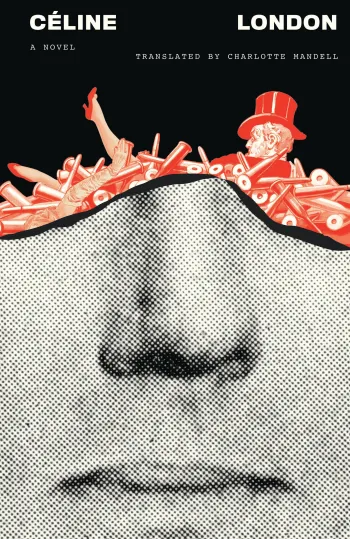
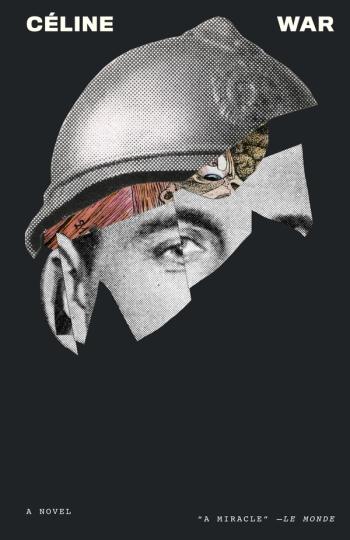
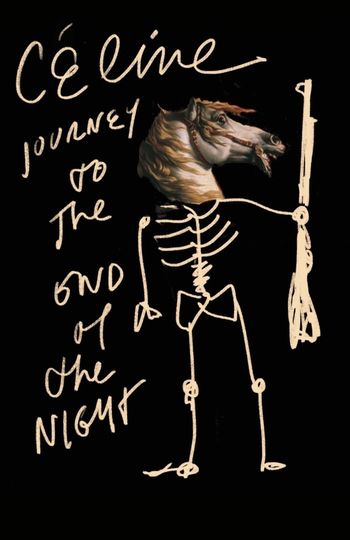
Louis-Ferdinand Céline (pseudonym of L.-F. Destouches, 1894–1961) was seriously wounded in WWI in 1914. Discharged from the army, he became a sales agent and went to Cameroon in 1916, then to London in 1917. After the victory, he studied medicine, then carried out missions in Africa and the United States for the League of Nations. Upon returning to France, he practiced medicine in the Paris suburbs and began publishing his first books (Journey to the End of the Night, 1932, and Death on the Installment Plan, 1936). Deemed a collaborator, Céline lived in exile in Germany and Denmark from 1944 to 1951. Returning to France, he continued his work, both as a writer and as a doctor, primarily caring for the poor. Céline had long claimed that Death on the Installment Plan was part of a trilogy, and that the manuscripts of its prequels, War and London, had been stolen by the Resistance from his apartment. In 2020, a trove of his manuscripts—thousands of pages, including War and London—was greeted rapturously in France (“a miracle,” Le Monde”). He is known as “the prose stylist of the century” (The Guardian) for inventing a new style that exploits the syntax and slang of spoken French.