Hafni Says
Fiction by Helle Helle
Translated from Danish by Martin Aitken
Hafni says: I don’t want to be me. I want to change who I am. I don’t know how to change who I am.
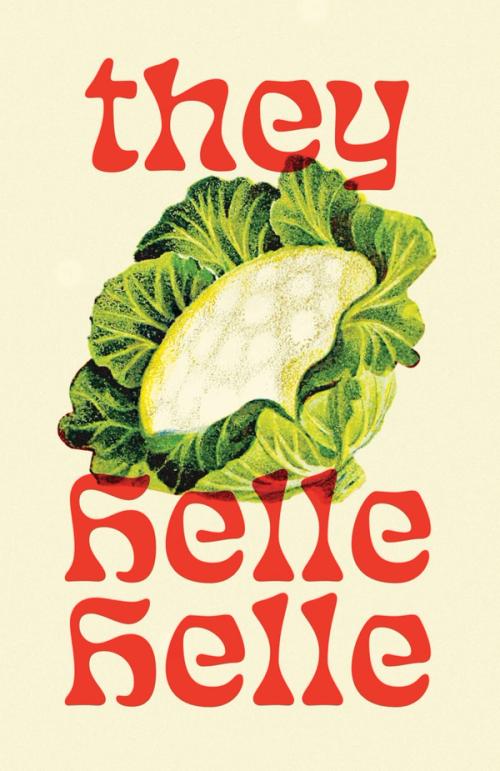
Hafni has come to the end of her marriage. From a rest stop she phones the novel’s narrator—a main character from Helle Helle’s previous novel they—but it’s she who does all the talking. She’s been celebrating impending divorce with a “smørrebrød tour” of the southern Danish countryside, where she samples Danish classics, chiefly open-faced sandwiches and afternoon tea. A trip that was meant to take a week digresses once, then twice, until it ends up taking Hafni an entire month. As told in tightly controlled, splintered mini chapters, the book incarnates how Hafni herself digresses, and dwells. She seems to view her past as one long series of accidents and mistakes, the accumulation of which somehow became the life she was living, a life that she now longs to cast off so she can start anew. Nominated for the Nordic Council Literature Prize, Hafni Says is brought into English in a magnificent translation by Martin Aitken.
Paperback
published: Sep 15, 2026
- ISBN:
- 9780811239493
- Price U.S.:
- 16.95
- Trim Size:
- 5 x 8
- Page Count:
- 144
Ebook
- ISBN:
- 9780811239509